EdVentures and Mastercard Foundation EdTech Fellowship Showcase Cohort 2 Startups Driving Education Impact at Scale
في يوم 16 فبراير، 2026 | بتوقيت 11:13 ص
كتب: Mohamed Lotfy



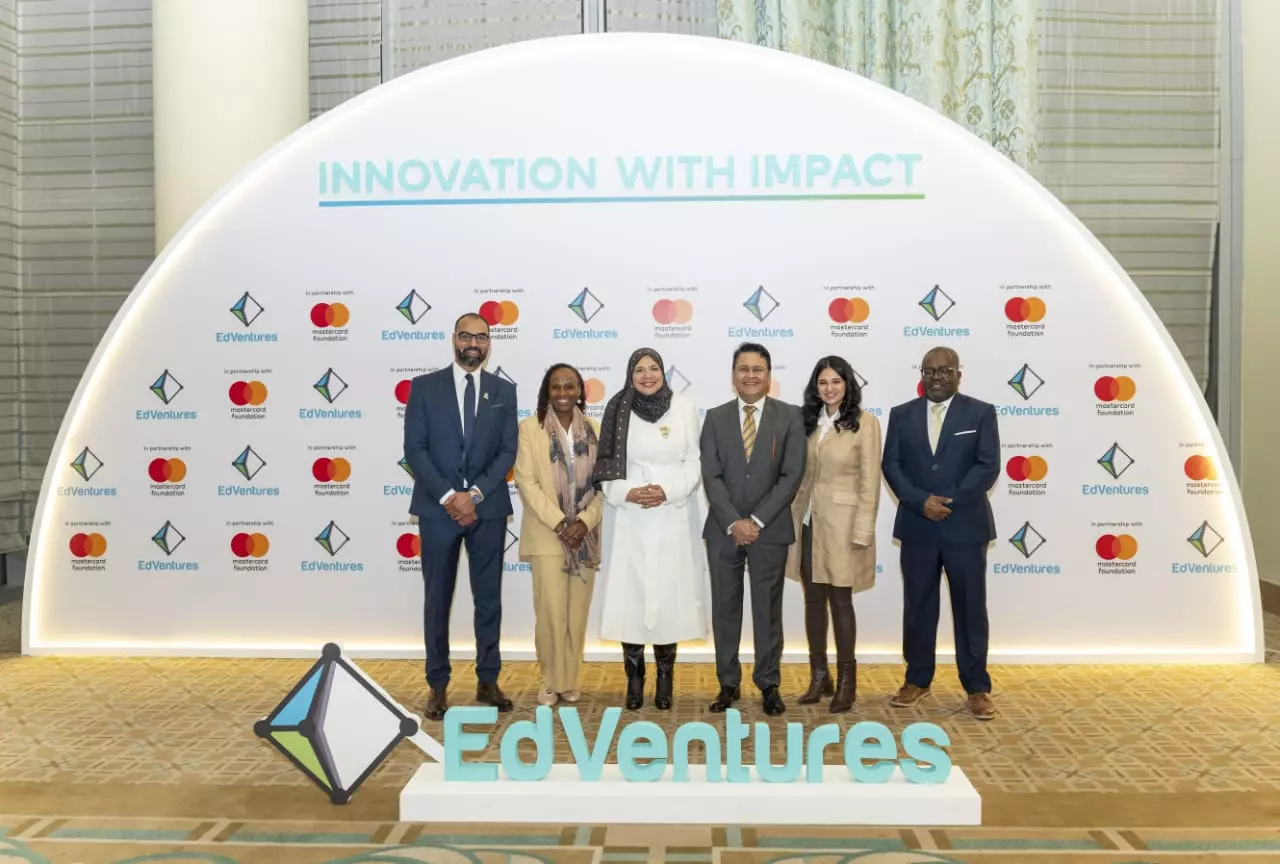
EdVentures, the corporate venture capital arm of Nahdet Misr Group, in partnership with the Mastercard Foundation Centre for Innovative Teaching and Learning, hosted the Demo Day for Cohort 2 of the Mastercard Foundation EdTech Fellowship in Egypt. The event underscored the Fellowship’s growing impact in scaling African-led, technology-enabled education solutions that expand access, strengthen inclusion, and deliver measurable outcomes at scale.
The Cohort 2 Demo Day marked the culmination of an intensive 8-month, equity-free acceleration program, during which 12 growth-stage startups presented scalable, market-ready solutions addressing key challenges across education — from foundational learning and workforce readiness to accessibility tools and inclusive skills development.
Implemented in Egypt by EdVentures, the Fellowship has supported 23 EdTech startups across two cohorts, collectively reaching over 410,000 new learners as of January 2026. This progress reflects a shared commitment to ensuring that education technology not only drives innovation, but creates real opportunities for young people and underserved communities.
Commenting on the significance of the Fellowship’s impact, Dalia Ibrahim, Founder and CEO of EdVentures, said:
“At EdVentures, we believe education innovation succeeds only when it is built for scale, relevance, and long-term impact. Supporting EdTech founders goes beyond funding; it requires strengthening their ability to translate innovation into real learning outcomes and workforce readiness. Through this Fellowship, EdVentures is helping shape a new generation of education companies that address structural gaps and contribute meaningfully to human capital development across Egypt and Africa.”
With a strong emphasis on youth and women entrepreneurs aged 18–35, the Fellowship ensures that growth is aligned with social and educational impact, creating opportunities for inclusive economic participation. Of the startups supported across the two cohorts, 52% are women-led, 87% are youth-led, and 34% are led from rural areas, reflecting the program’s commitment to nurturing diverse leadership.
Wariko Waita, the Director of the Mastercard Foundation Centre for Innovative Teaching and Learning, in her remarks emphasized that, “Educational Technologies (EdTech) carry the most impact when designed with all-inclusive assistive technologies. The Mastercard Foundation EdTech Fellowship was launched to open up education to all – education that is accessible, relevant, and inclusive, enabled by technology-enabled learning developed by entrepreneurs solving persistent challenges. Now in 12 countries, including Egypt, the Fellowship program is transforming education with an impact reach of over 5 million learners in Africa.”
What distinguishes the Fellowship’s progress is not only the scale of learners reached, but who those learners represent. Among those reached across the two cohorts, 77% are youth and 71% are female youth, reinforcing the Fellowship’s strong alignment with inclusive opportunity for young people and women.
The portfolio also demonstrates a deep commitment to communities too often left behind. Startups have reached 28,700 refugee learners and 20,500 persons with disabilities, reinforcing that inclusion is central to the Fellowship’s impact. Collectively, these startups operate across more than 20 governorates, with roadshows conducted in 13 governorates, ensuring a wide geographic spread of educational impact.
Beyond investment readiness, the Fellowship equips founders with the tools and networks required to scale responsibly. Participating startups benefit from over 290 hours of tailored mentorship, workshops, and expert-led sessions.